Dear reader,
In the past decades, the role of education has shifted from a system of emancipation and inclusion, to a system in which strict selection has become an important means to reach the top. This has resulted in the loss of values such as the right to education and the right to development. In addition, we support talent in education, but do not wish for people to pay a high price for a rat race to the top. How do we approach this paradoxical attitude? In addition, how do we view diversity in education?
In this personal content hub, you will find various articles to provide some background on the topic. This hub also contains the agenda, instructions on how to join the round table, and the key questions we would like to discuss. Our virtual round table will take place in Dutch. Since the materials on this content hub were created by our international team of analysts, the preparatory materials are in English.
I am looking forward to meeting you.
Best regards,
Matthias Smalbrugge
Welcome!

Introduction by Matthias Smalbrugge
In preparation for our round table, Matthias Smalbrugge introduces the topic of Politics of Education.

The politics of education: An overview
Particularly since the end of Second World War, education has become a significant domain of politics, with both policy and power playing a crucial role in determining who receives an education and for what purpose. However, this has led to paradoxes in education.
The myth of meritocracy
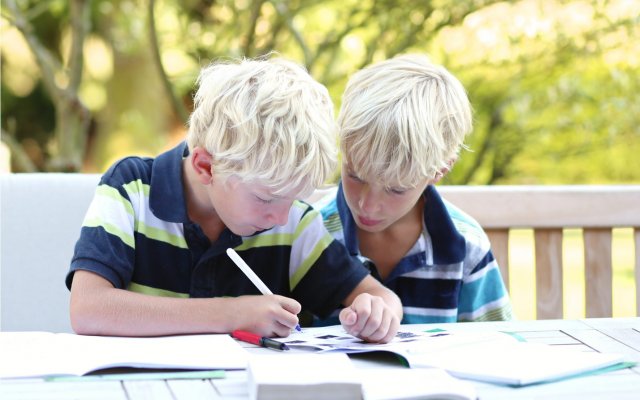
There is a popular notion that the educational systems found typically in European nations are or at least ought to be meritocratic. Education, then, is structured theoretically to select for merit, or at the very least advertised as such. That leaves a major question: what actually counts as merit? What property in the student is the system selecting for?
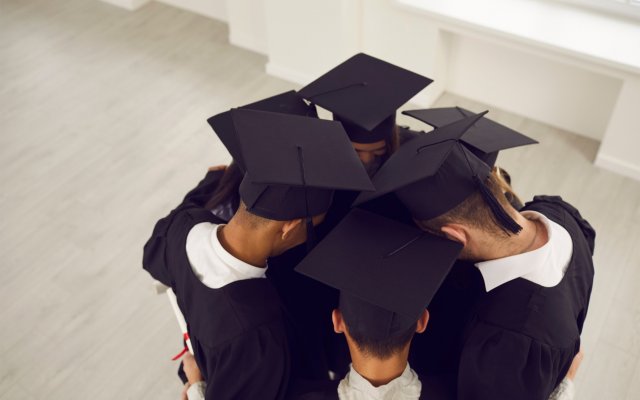
Sexual education in Europe
Several countries have undergone some sort of change in sexual education and have opened themselves to a more progressive approach. Nevertheless, some more religious and conservative countries lack educational tools on this matter.

Islam and the educational gender gap in Europe
Gender inequality when it comes to education is still a prevailing reality in Europe. The gender gap is very much connected with other societal factors such as class, ethnicity, and other minority markers. How then does the performance of Islamic femininity interact with European secularism when it comes to education and the building of the curriculum in the European educational system?

Questions for discussion
Based on the background articles above, we would like to discuss three questions with you during our virtual round table.
Attendees
Who will be attending?

Matthias Smalbrugge
Vrije Universiteit Amsterdam
Professor of European Culture and Christianity
Daniëlle Woestenberg
CNV Onderwijs
Chair
Berend Kamphuis
Verus
Chair Executive Board
Joke van Saane
Universiteit voor Humanistiek
Chair Executive Board and Rector Magnificus
Ellen Van Stichel
KU Leuven
Professor of Christian social and political Ethics
Huug de Deugd
Inholland
Chair Executive Board