If no adjustments are made, earth extinction is what humanity may face in the future. With much of the world’s soil becoming degraded and more people facing water shortages and hunger, the world is becoming a more dangerous place. This description just scratches the surface of the huge impact climate change will have on the Earth in the future. Some scientists envision Mars as a backup planet to which people could go when climate change is out of control.
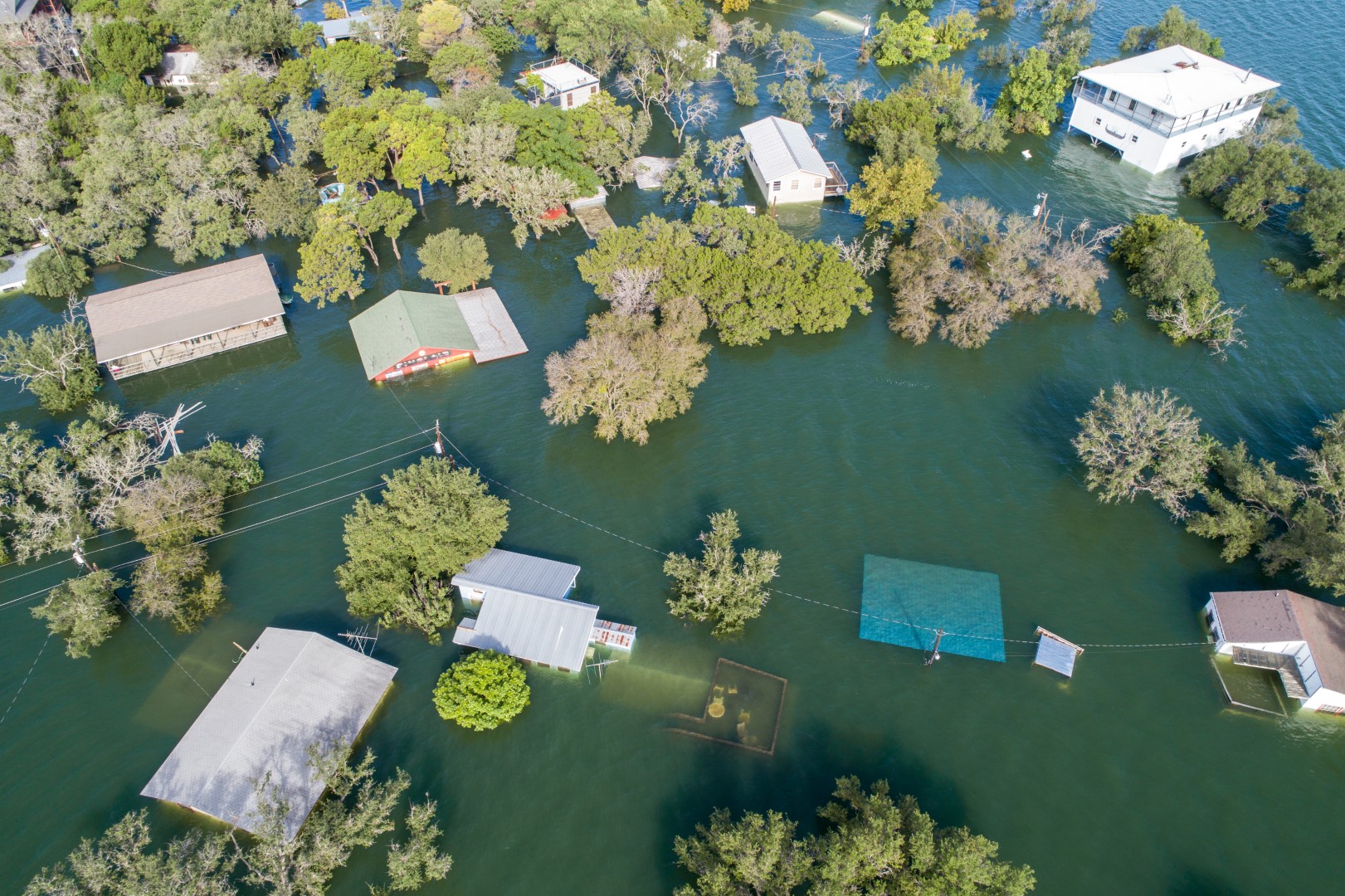
As a result of rising temperatures, many companies have made promises to limit the global temperature rise to below at most 2 degrees Celsius—but preferably 1.5 degrees Celsius, to, for instance, save a lot of countries that are harmed by climate change; consequences such as heatwaves, floods, and droughts will become more and more frequent. The chances of creating or maintaining a livable planet are dwindling the hotter it gets. At an increase of 1.5 degrees Celsius, severe heatwaves will affect around 14% of the world’s population every five years. At an increase of 2 degrees Celsius, 99% of the world’s coral reefs begin to erode, thereby putting an end to warm-water corals. Almost one out of every ten vertebrate creatures and nearly one out of every five plants species will lose half of their habitats. Several ecosystems are on the verge of extinction. Unfortunately, heat waves are not the only consequences of climate change. Is it then already too late to take action? No, with current technological advances and renewable energy, there is still hope.
This chapter dives deeper into the effects of climate change such as in relation to food and water, energy and natural resources, the circular economy, conservation, and the natural environment. The problems posed by climate change and the possibilities to overcome these problems to create a better world are examined in greater depth.
As a result of rising temperatures, many companies have made promises to limit the global temperature rise to below at most 2 degrees Celsius—but preferably 1.5 degrees Celsius, to, for instance, save a lot of countries that are harmed by climate change; consequences such as heatwaves, floods, and droughts will become more and more frequent. The chances of creating or maintaining a livable planet are dwindling the hotter it gets. At an increase of 1.5 degrees Celsius, severe heatwaves will affect around 14% of the world’s population every five years. At an increase of 2 degrees Celsius, 99% of the world’s coral reefs begin to erode, thereby putting an end to warm-water corals. Almost one out of every ten vertebrate creatures and nearly one out of every five plants species will lose half of their habitats. Several ecosystems are on the verge of extinction. Unfortunately, heat waves are not the only consequences of climate change. Is it then already too late to take action? No, with current technological advances and renewable energy, there is still hope.
This chapter dives deeper into the effects of climate change such as in relation to food and water, energy and natural resources, the circular economy, conservation, and the natural environment. The problems posed by climate change and the possibilities to overcome these problems to create a better world are examined in greater depth.
+ Daphne Prieckaerts
Although I agree with Maslov that food and water are fundamental to survival, so is energy. With energy, I don’t mean electricity, but human energy. Energy regulates our feelings, will, interaction, and mental and physical health. Together with food and water, this energy enables us to live, breathe, and be happy or unhappy. As a teacher at the Barbara Brennan School of Healing, I train people to become aware of and change their energy from negative to positive, from toxic to loving and compassionate. Do you want to change the spirit of a person, a group, a company, a movement, a country? Change the energy. It’s not hard; it’s the biggest gift you can give to yourself and others.
Source: link