Dear reader,
With the war in Ukraine, we would almost forget that Europe was experiencing another calamity until very recently. However, the social effects of the pandemic should not be underestimated. COVID-19 has highlighted existing polarisation across the continent and beyond, illustrated by conspiracy theories and division between those who are and are not vaccinated.
This polarisation is visible beyond the pandemic as well. For instance, consider the recent presidential elections in France. Or think about how these times of war have clearly shown that religion is an integral part of modern polarisation.
The articles on this preparatory content hub zoom in on the impact of COVID-19 on polarisation. During our conversation, we would like to broaden the discussion to include other topics as well, based on the discussion questions that can be found in this hub. This hub is in English as it was prepared by our international team of analysts. Our conversation during the round table will be in Dutch.
I am looking forward to meeting you on May 20th, at 4 pm CET.
Best regards,
Matthias Smalbrugge
Welcome!

Introduction by Matthias Smalbrugge
In preparation for our round table, Matthias Smalbrugge introduces the topic of polarisation.

COVID-19: A slippery slope or a turning point of polarisation?
The COVID-19 pandemic has redefined our understanding of globalisation, public health, social welfare, and many other things. It also offered insight into the importance of social sustainability. While multiple, highly effective vaccinations have been developed and provided to the broader public in record time, their rollout was anything but smooth. Other measures were also deeply contested by large parts of societies worldwide.

Will increasing insecurity lead us beyond polarisation?
Following many years of polarisation, the 2020s could be described as the ‘decade of crises.’ From the COVID-19 pandemic, through the cost-of-living crisis, to war in Eastern Europe, the mounting concerns increase insecurity in Europe to levels unknown for nearly a century. Considering what happens, many ask now: Will the growing insecurity decrease polarisation, or will we become even more divided than before?
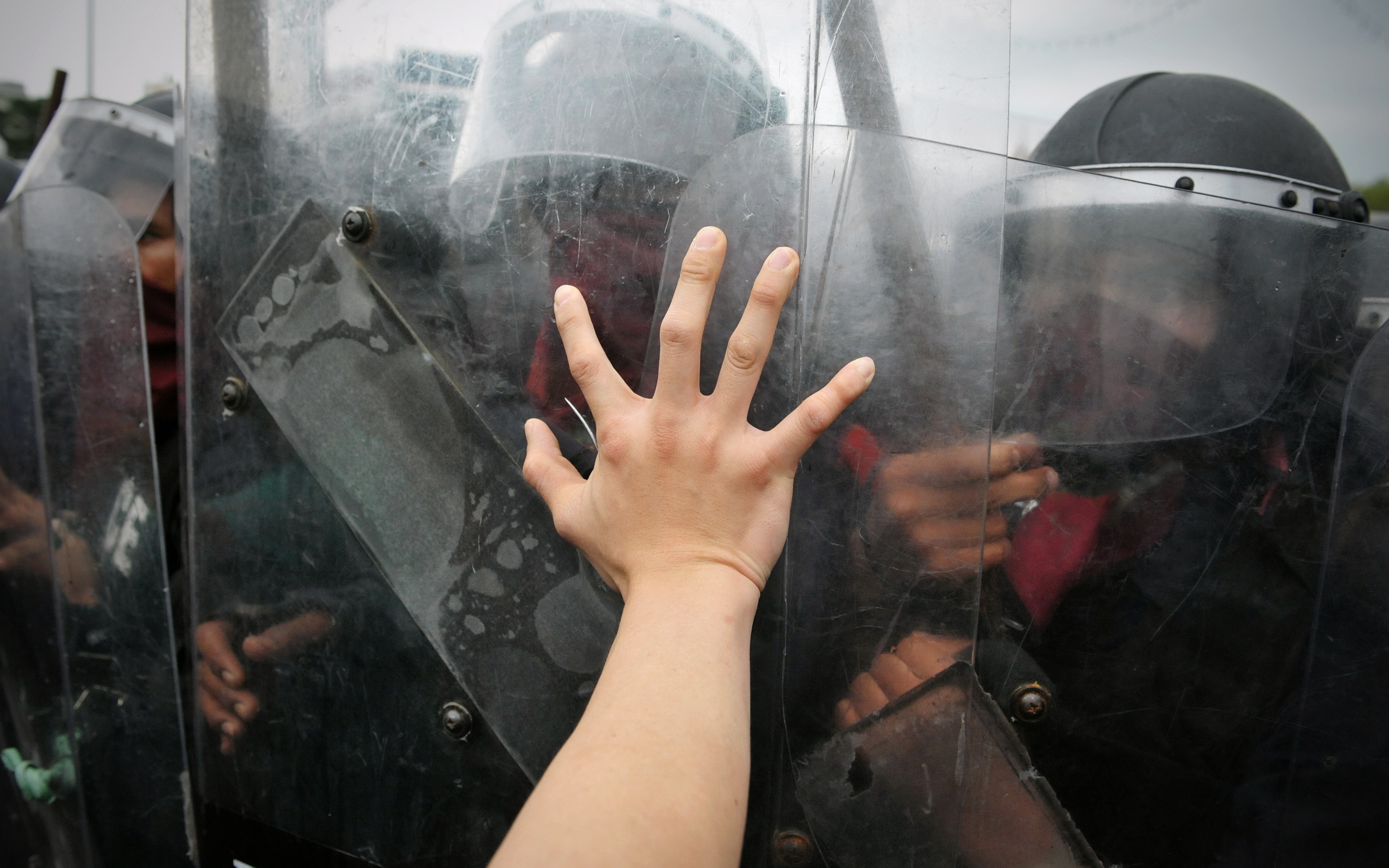
COVID-19 related conspiracy theories: Belief in a time of pandemic
Conspiracy theories are often associated with religious belief. However, susceptibility to conspiracy theories during the pandemic was determined not by religious belief but by political polarisation.

Did COVID-19 help us get closer or rather increase polarisation?
The COVID-19 pandemic has challenged the world in many different ways these past two years. It has brought up questions of solidarity between nations, of responsibility for the other, and conflicts regarding the way we should approach the virus. How has the pandemic affected polarisation among nations, religious and secular groups, and people in general?

Questions for discussion
Based on the background articles above, we would like to discuss three questions with you during our virtual round table.
Attendees
Who will be attending?

Matthias Smalbrugge
Vrije Universiteit Amsterdam
Bijzonder hoogleraar Europese cultuur en christendom
Mariken van der Velden
Vrije Universiteit Amsterdam
Associate Professor, Faculty of Social Sciences, Communication Science
Ron van Wonderen
Verwey-Jonker Instituut
Senior onderzoeker Verwey-Jonker Instituut en themacoordinator Sociale Stabiliteit KIS
Jos Douma
Ministerie van Buitenlandse Zaken
Speciaal gezant voor religie en levensovertuiging
Jessica Roitman
Vrije Universiteit Amsterdam
Hoogleraar Joodse Studies