Dear Madam, Sir,
Welcome to the Google Cloud Hub for Petro Rabigh, your personal website with valuable and inspiring information.
On this hub, we have included relevant articles to share insights into how Google Cloud can be a partner in the energy industry. You can also find out why several of our customers, such as TotalEnergies, Siemens Energy and Hafslund, decided to partner with Google Cloud.
We are looking forward to the exchange with you and are always available for questions and suggestions.
Best regards,
Hussam Hashem and the Google Cloud Team
Data-driven sustainability

Announcing ‘round-the-clock clean energy for cloud
Tackling climate change requires rapidly transitioning the entire global economy to clean energy. Google Cloud will be at the forefront of this transition.
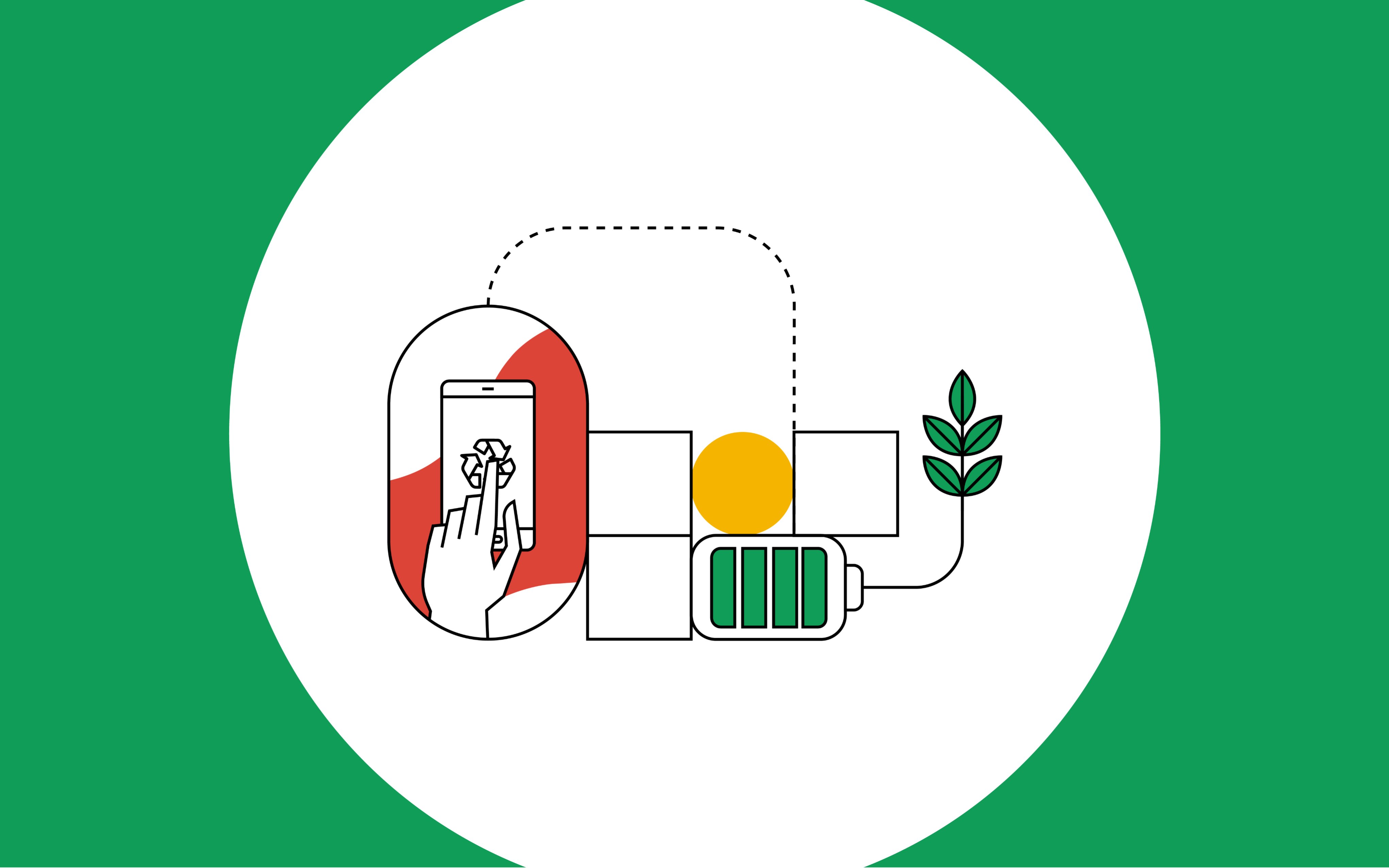
Data centers are more energy efficient than ever
While Google is the world’s largest corporate purchaser of renewable energy, we’re also taking action on climate change by minimizing the amount of energy we need to use in the first place.

How data is driving resilient and sustainable supply chains
Building resilient and sustainable supply chains has become a key priority for companies in every industry, and every region of the world. The COVID-19 pandemic pushed existing supply chains to the brink and the stress exposed the weakness of current designs and execution.
Supply chain insights

11 best practices for operational efficiency and cost reduction with Google Cloud
As businesses plan their way forward, many will need to consider how to meet the needs of their new business realities with limited resources.
How geospatial insights can help meet business goals
Organizations that collect geospatial data can use that information to understand their operations, help make better business decisions, and power innovation.
Solving for operational efficiency with Google Cloud
As businesses consider how to weather the road ahead, many are finding they need to make tough decisions about how to allocate resources. For most, it’s not simply about spending less, it’s about knowing which projects to prioritize, even if with limited funding, in order to maintain business continuity and ensure longevity.
Innovation