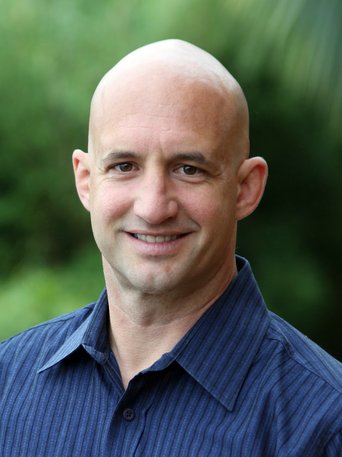
This led me to create the OpenSSF in 2019, working with Microsoft and others to get an industry-wide approach to these very difficult problems. Unfortunately, we got off to a rocky start due to the arrival of a very distracting pandemic. The SolarWinds attack in early 2020 was exactly the kind of attack I was worried about, and its arrival gave the OpenSSF an obvious burst of energy and interest (and funding!).
In August 2020, Google helped to relaunch OpenSSF and committed
$100 million in funding to help open source maintainers address vulnerabilities. In its first year, we partnered with OpenSSF to launch tools including
Scorecard, which helps developers identify trustworthy libraries, and
SLSA, a framework for hardening build and release processes.
Following the first summit in 2022, Google announced the creation of an
“Open Source Maintenance Crew,” a team of dedicated engineers who work closely with the maintainers of vital open source projects. As of May 2023, members of that team had contributed security improvements to more than
180 widely-used projects. We also partnered with OpenSSF and other tech companies to launch
Alpha-Omega, a program aimed at speeding resources and expertise to several high-impact projects and automated tooling for thousands more.
At Google Cloud we’re also taking steps to help our customers use open source securely through our Assured OSS solution. With
Assured OSS, Google Cloud is curating more than 1,000 of the most popular Java and Python packages, offering organizations of all sizes access to the same trusted libraries Google’s own engineers rely on. Each library is subject to ongoing fuzz testing and scanning, is signed by a unique Google public-private key, and includes available software bills of materials (SBOMs).
Public-private partnerships to secure open source ecosystemsOne of the biggest takeaways from this year’s summit was the rapid evolution of U.S. government policy around open source security in terms of strategy, resources, and expertise to carry out that policy. The summit drew participation by Deputy National Security Advisor Anne Neuberger (who convened the first White House summit and has been an avid proponent of all this good work,) Acting National Cyber Director Kemba Walden, and CISA Executive Assistant Director Eric Goldstein, as well as many others from across government.
"I’m personally pleased to see that the federal government is signaling its commitment to making meaningful contributions to open source security, and to partnering with foundations like OpenSSF and companies like Google to expand the conversation to other sectors and organizations that might otherwise lack the resources to manage open source effectively."