#@SALUTATION@#,
The science is clear. The world must act now to prevent the major consequences of climate change. It’s our joint responsibility to strive for a better, more sustainable world. As the future holds exciting opportunities for collaborative ventures, we see major potential in working together with NA-KD. On this personalized, online hub, we’d like to dive into the possibilities of sustainable supply chains, sustainable sourcing and mineral tracking.
We'd like to connect with you and explore ways we could collaborate around sustainability. Please let us know if you are open to setting up a meeting.
Warm regards,
Sofia Olsson & Ronny Linnerheim

welcome

Google’s new pilot aiming to measure the environmental impact of the fashion industry
Now more than ever, the fashion industry is heeding the call to sustainability. Its environmental impact is significant and growing—among other statistics, the fashion industry accounts for 20 percent of wastewater and 10 percent of carbon emissions globally. Much of this impact occurs at the raw materials stage in the production process, where brands have little to no visibility. This is an industry wide problem, where supply chains are highly fragmented and with little transparency.

Supply chain meets blockchain for end-to-end mineral tracking
As a company committed to sourcing our minerals responsibly, Google is working on new ways to make the mineral-tracking process more transparent for everyone along the value chain—from miners to consumers. In 2018, we joined Cisco, SGS, Volkswagen, and Peruvian mining company Minsur to launch a plan for end-to-end mineral traceability. Together, we’re piloting a blockchain protocol with Berlin-based startup Minespider. The startup tracks minerals at every touchpoint while protecting the privacy of participants.
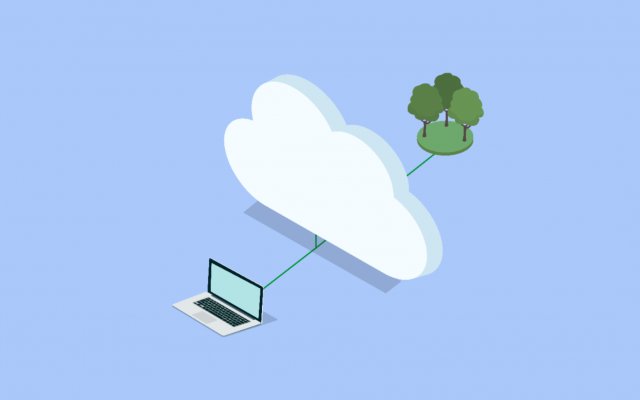
Unilever and Google Cloud Team up to Reimagine the Future of Sustainable Sourcing
Google Cloud and Unilever will advance sustainable business practices together using technology to expand the use of data for eco-friendly decision making. As an initial step in this partnership, the two companies are collaborating on the first commercial application of Google Cloud and Google Earth Engine for sustainable commodity sourcing.

How carbon-free is your cloud? New data lets you know
Google first achieved carbon neutrality in 2007, and since 2017 we’ve purchased enough solar and wind energy to match 100% of our global electricity consumption. Now we’re building on that progress to target a new sustainability goal: running our business on carbon-free energy 24/7, everywhere, by 2030. Today, we’re sharing data about how we are performing against that objective, so our customers can select Google Cloud regions based on the carbon-free energy supplying them.