Going Green
According to scientists, Google consumes more than 0.5% of all energy worldwide. Considering the fact that we handle more than a large chunk of all internet traffic, this might very well be true. Especially because we know that the use of internet and technology will increase rapidly in the coming years. What does that mean for the environment? How do we change our business into a sustainable business?
We choose to go green
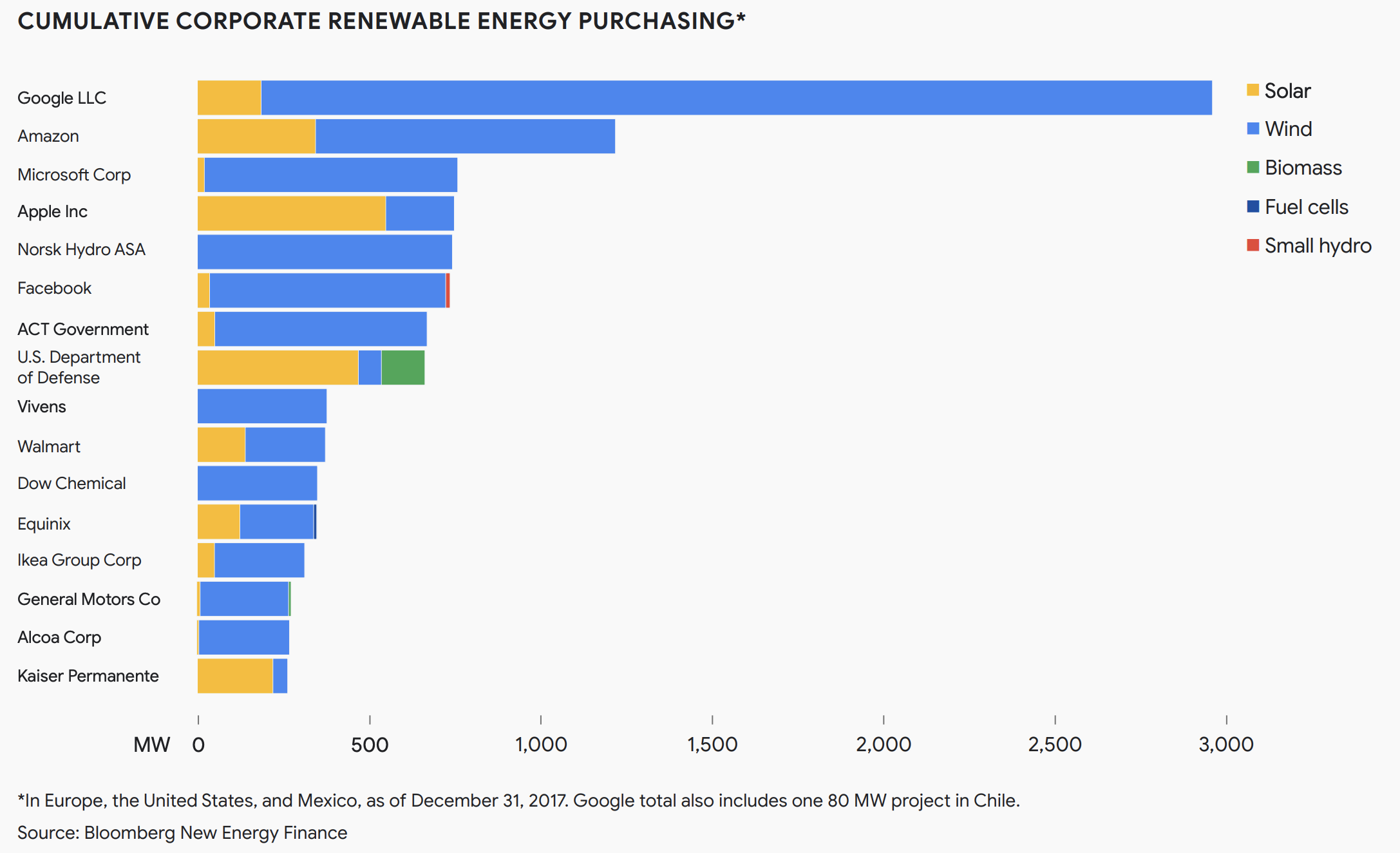
There’s a lot to say about sustainability. This article concentrates on ‘going green’, because Google is the largest corporate purchaser of renewable energy on the planet. Since 2010, we’ve signed 26 agreements to purchase nearly 3GW of new renewable energy. (That’s like taking more than 1.3 million cars off the road per year). And in 2017, we reached 100% renewable energy for our operations. We’ve made it a top priority not only to become more energy efficient, but also to ensure that the energy we purchase comes from clean sources such as renewables. Our support for clean energy goes hand in hand with reducing our carbon footprint. By improving the efficiency of our operations and buying both renewable power and high-quality carbon offsets, we’ve been carbon neutral since 2007.
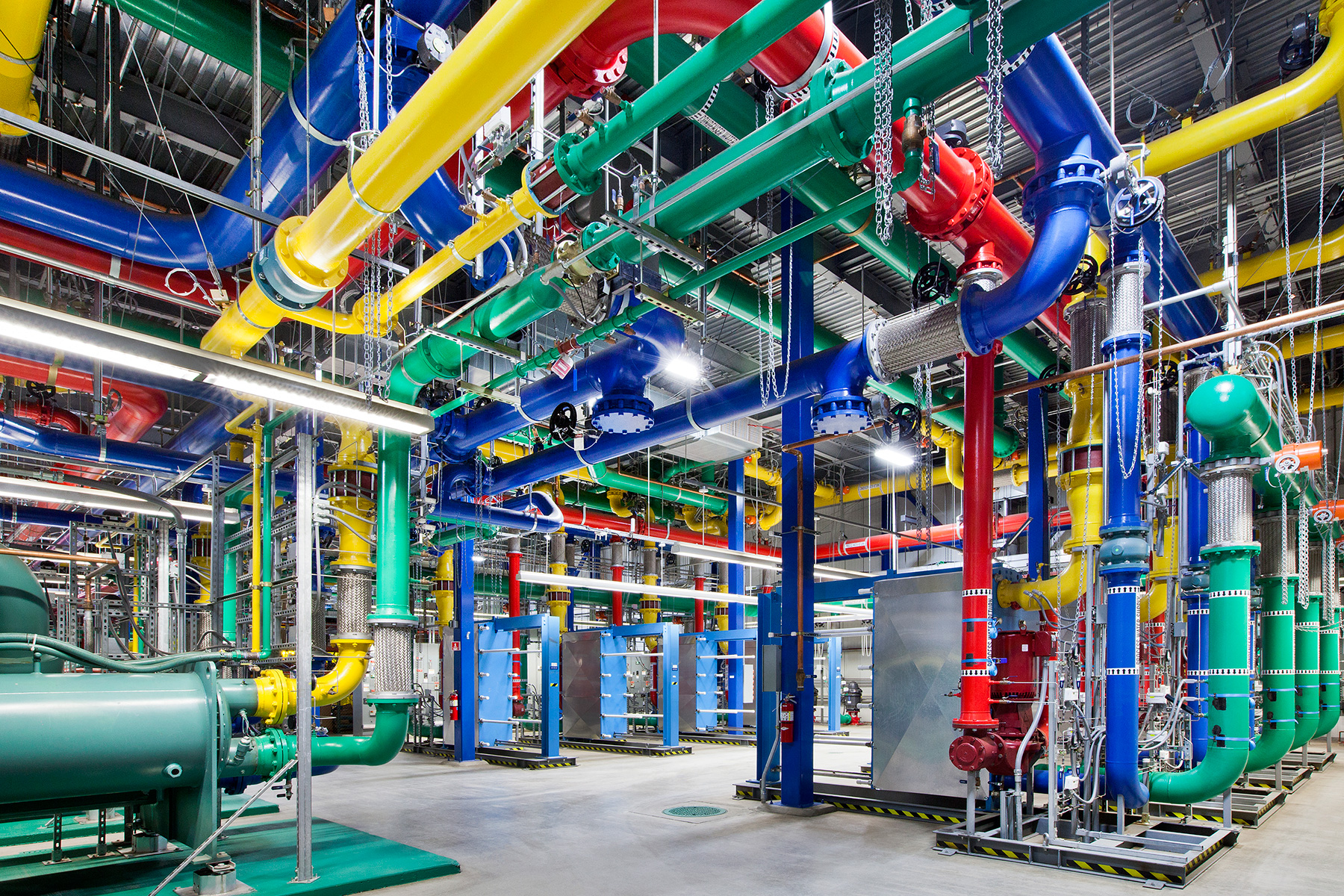
Much of our infrastructure is custom designed, from our own high voltage substations, to the on-site electrical distribution systems, to the proprietary cooling systems—all working in conjunction and optimized to provide the highest performance and lowest total cost of ownership computing infrastructure, saving us more than $1 billion in our operations through energy efficiency alone.
Reducing use
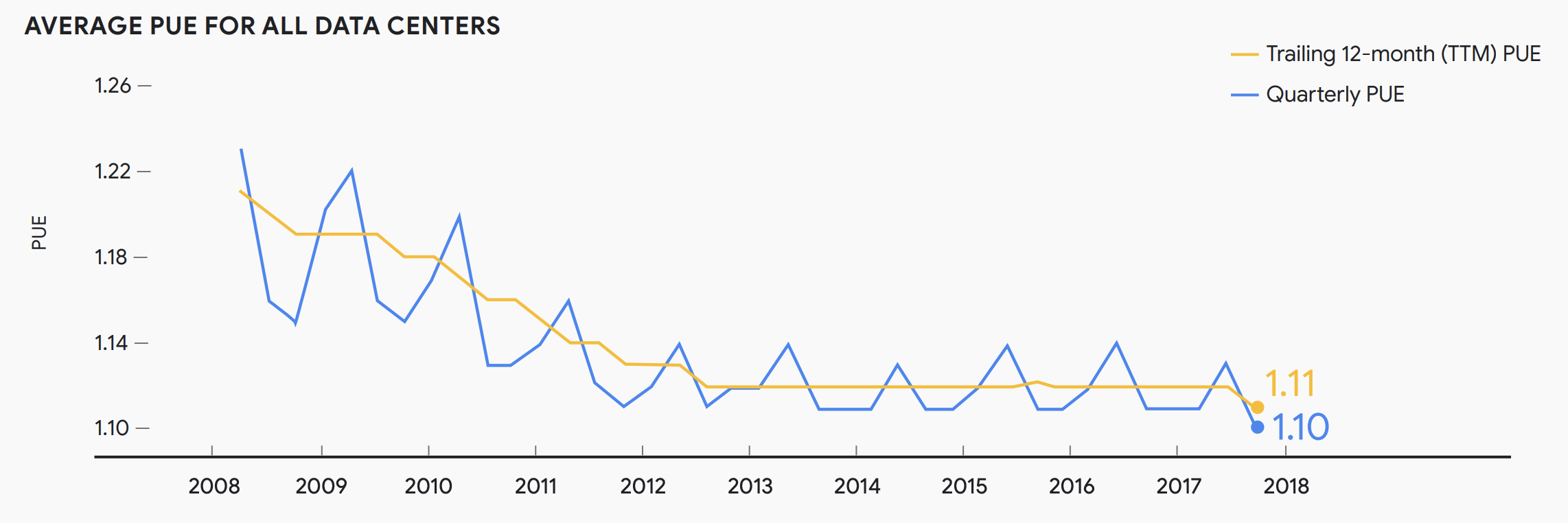
To reduce energy use, we strive to build the world’s most energy-efficient computing network by squeezing more out of every watt of power we consume. Our own DeepMind artificial intelligence research team turned to the task of tuning its data center’s cooling system to match the weather and other factors. The team reduced our cooling energy bill by 40% and produced the lowest average annual power usage effectiveness (PUE) the site had ever seen. On average, a Google data center uses 50% less energy than a typical data center.
Partnerships as key element for success
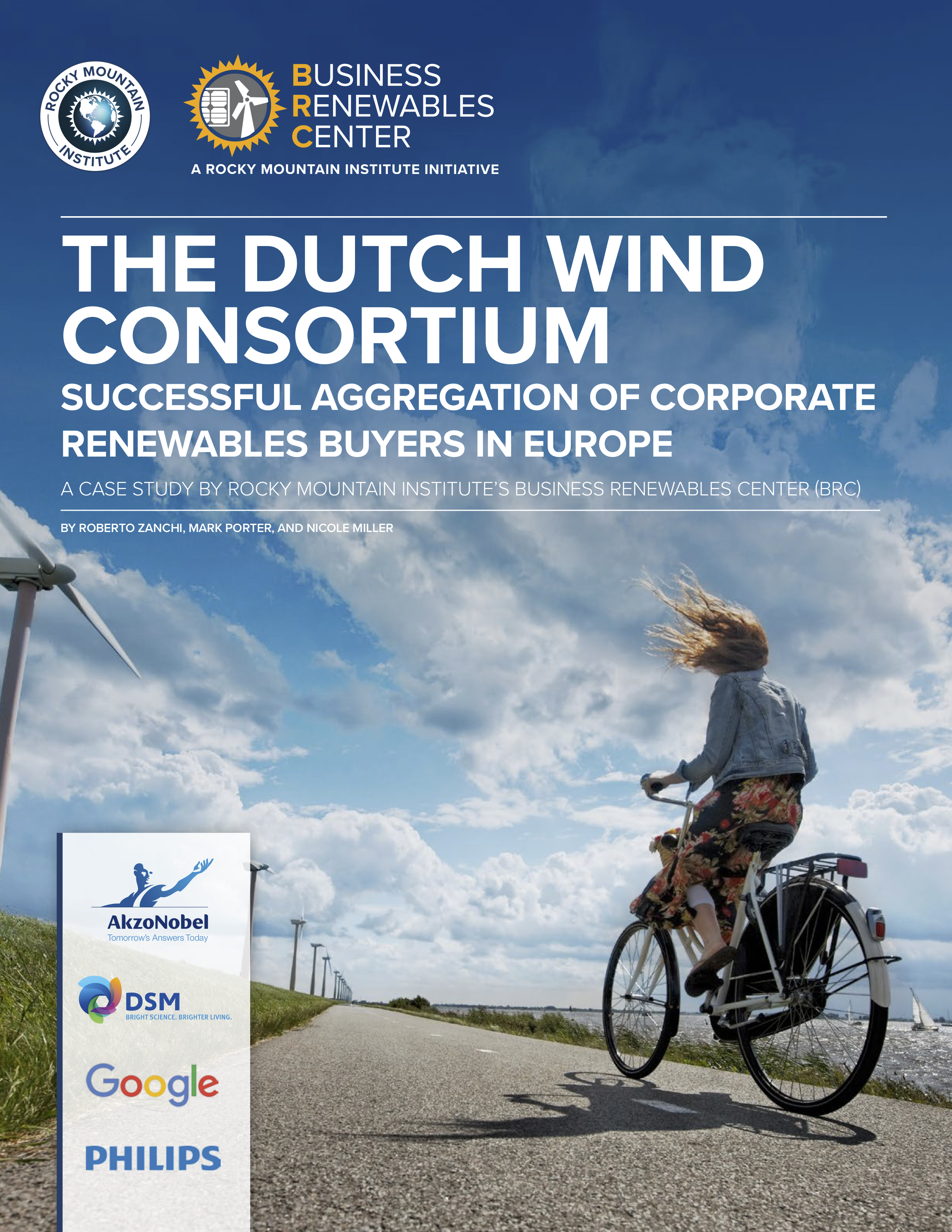
One of the most important elements for success is partnerships. All over the world, we have formed partnerships to jointly negotiate power purchase agreements (PPAs). Advantages of the consortium model are economies of scale, saving and sharing costs, portfolio diversification and risk management, and an easily replicable structure. For instance, we are partners in the Dutch Wind Consortium Partners, together with AkzoNobel, DSM, and Philips. Teaming up with like-minded companies has delivered a new and attractive way to secure additional renewable power for the long-term.
Creating smarter homes to use less energy
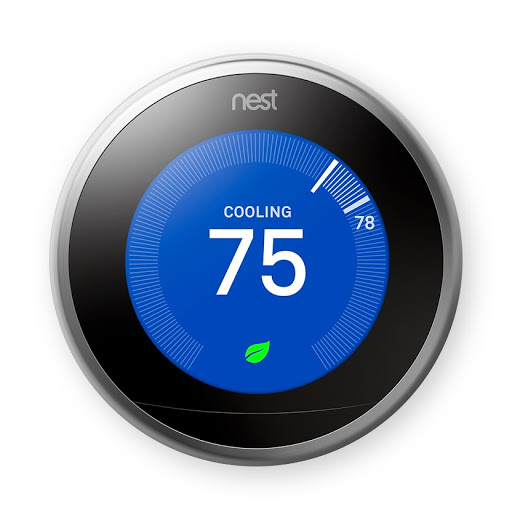
The Nest Learning Thermostat uses learning algorithms and smart control of residential heating and cooling systems to reduce home energy consumption. As of December 31, 2017, Nest Thermostats have helped customers save more than 17 billion kWh of energy combined, based on average savings studies—enough energy to power all of San Francisco's electricity consumption for three years.
And a long way to go
Reaching our 100% renewable energy purchasing goal was an important milestone, and we will continue to increase our purchases of renewable energy as our operations grow. However, it is also just the beginning. It represents a head start toward achieving a much greater, longer-term challenge: sourcing carbon-free energy for our operations on a 24/7 basis. Meeting this challenge requires sourcing enough carbon-free energy to match our electricity consumption in all places, at all times. Such an approach looks markedly different from the status quo, which, despite our large-scale procurement of renewables, still involves carbon-based power. With a billion new customers in the coming years and an explosion of usage in the cloud, we are more than determined to go this mile.
Sources:
- Google Environmental Report 2018 - https://sustainability.google/reports/environmental-report-2018
- Circular economy at work in Google data centers - https://www.ellenmacarthurfoundation.org/assets/downloads/data-center-case-study-14-9-16.pdf
- the Dutch Wind Consortium - https://www.dsm.com/content/dam/dsm/cworld/en_US/documents/2017-12-07-brc-the-dutch-wind-consortium-case-study.pdf
- Moving toward 24x7 Carbon-Free Energy - https://storage.googleapis.com/gweb-sustainability.appspot.com/pdf/24x7-carbon-free-energy-data-centers.pdf?utm_source=newsletter&utm_medium=email&utm_campaign=newsletter_axiosgenerate&stream=top
- How to stop data centres from gobbling up the world's electricity - https://www.nature.com/articles/d41586-018-06610-y
- The use of big data to protect the environment - https://www.theguardian.com/sustainable-business/2016/oct/12/google-environmental-sustainability-data-kate-brandt
- Driving Green Energy Shift - https://www.bloomberg.com/news/articles/2018-11-13/google-facebook-drive-green-power-developments-with-ppa-deals